logo
products
NEWS DETAILS
Home > News >
Winter Wiper Failure: Why Blades Struggle in Snow & Ice and How to Fix It
Events
Contact Us
86-86-13779922926
Contact Now

Winter Wiper Failure: Why Blades Struggle in Snow & Ice and How to Fix It

2025-12-25
Latest company news about Winter Wiper Failure: Why Blades Struggle in Snow & Ice and How to Fix It

For automotive professionals and drivers in snowy regions, winter transforms a simple task into a constant battle. When temperatures drop, standard wiper blades often fail, leaving dangerous streaks, smears, and ice buildup on the windshield. Understanding why this happens is key to choosing the right tool for the job and recommending effective solutions to customers.

Why Standard Wipers Fail in Winter Conditions

The problem isn’t just snow on the glass; it's a combination of physics and material science working against conventional blade design.

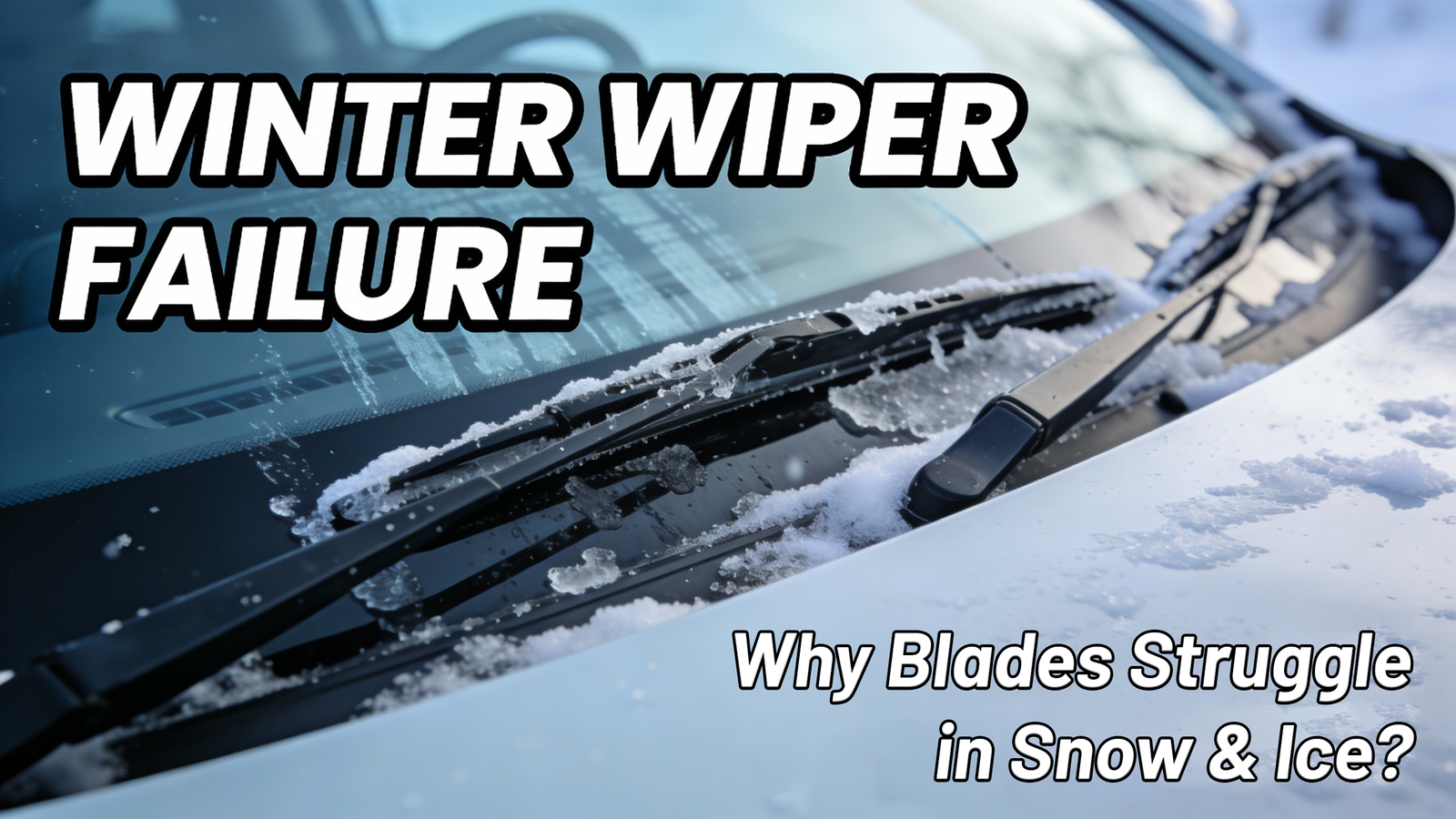
1.Ice Accumulation on the Blade Itself: This is the most common culprit. As snow melts and refreezes, it forms a ridge of ice along the wiper's edge and frame. This rigid barrier lifts the flexible rubber off the glass, causing it to skate over the surface and leaving a messy, ineffective smear. The heavier the snow or freezing rain, the faster this ice builds up.

2.Frozen Contaminants on the Glass: Road spray mixed with de-icing salts creates a gritty, slushy film that freezes into a thin, abrasive layer on the windshield. A standard rubber blade cannot scrape this away; it just drags the semi-frozen sludge around, reducing visibility.


3.The "Glass Transition" of Rubber: Cold weather fundamentally changes the material property of rubber. As temperatures fall below freezing, the rubber compound loses its pliability and enters a hard, glass-like state. This hardened blade cannot conform to the microscopic contours of the glass, breaking the seal needed for a clean wipe and leading to skipping and chattering.


4.Structural Failure from Snow Load: The weight of accumulated snow and ice can bend or permanently distort the weak metal frame of a standard wiper blade, ruining its aerodynamic profile and pressure distribution even after the ice is cleared.

The Professional Winter Solution: Dedicated Snow & Ice Wipers

Attempting to clear heavy snow and ice with a standard wiper blade can damage the motor, rip the rubber, or even crack the windshield. The correct tool is a dedicated snow and ice wiper, engineered specifically for these extreme conditions.

Key features of a true winter wiper (like our SnowForce series) include:

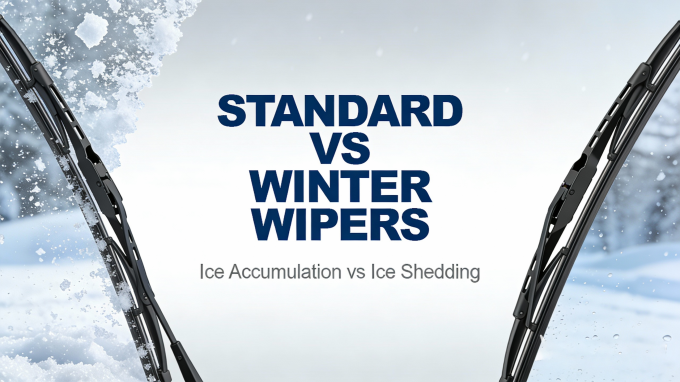
A Heavy-Duty, Ice-Shedding Rubber Boot: The entire blade is encased in a flexible, waterproof rubber sheath. This prevents snow and ice from jamming the critical joints and frame of the blade. Ice has nothing to grip onto, so it easily sheds away with each wipe.


Reinforced, High-Pressure Frame: A robust frame design applies greater, more consistent pressure to cut through frozen film and slush. The structure is built to withstand the weight of snow without bending.


Cold-Climate Rubber Compound: The rubber is formulated to stay supple and elastic in extreme sub-zero temperatures, maintaining its critical sealing edge far below where standard rubber hardens.


Streamlined Design for Snow Clearing: A smooth, aerodynamic profile minimizes areas where snow can pack and accumulate on the blade itself.

  The Essential Winter Protocol for Clear Visibility

1.Always Clear First, Then Wipe: Never use the wipers to clear heavy snow or thick frost. Always manually brush and scrape the windshield completely clean first. This is non-negotiable for wiper longevity.

2Use Your Defroster Proactively: Start your vehicle and turn the defroster to full heat before you begin scraping. This loosens ice from the glass and helps prepare the surface.

3.Equip with the Right Tool: Install dedicated snow and ice wiper blades at the start of the winter season. They are an investment in safety and performance, designed to handle what all-season blades cannot.   

4.Keep Washer Fluid Full with Winter Blend: Use a high-concentration, sub-zero washer fluid designed to melt light ice and prevent it from re-freezing on the glass immediately. Summer fluid will freeze solid in the lines.

latest company news about Winter Wiper Failure: Why Blades Struggle in Snow & Ice and How to Fix It  0


products
NEWS DETAILS
Winter Wiper Failure: Why Blades Struggle in Snow & Ice and How to Fix It
2025-12-25
Latest company news about Winter Wiper Failure: Why Blades Struggle in Snow & Ice and How to Fix It

For automotive professionals and drivers in snowy regions, winter transforms a simple task into a constant battle. When temperatures drop, standard wiper blades often fail, leaving dangerous streaks, smears, and ice buildup on the windshield. Understanding why this happens is key to choosing the right tool for the job and recommending effective solutions to customers.

Why Standard Wipers Fail in Winter Conditions

The problem isn’t just snow on the glass; it's a combination of physics and material science working against conventional blade design.

1.Ice Accumulation on the Blade Itself: This is the most common culprit. As snow melts and refreezes, it forms a ridge of ice along the wiper's edge and frame. This rigid barrier lifts the flexible rubber off the glass, causing it to skate over the surface and leaving a messy, ineffective smear. The heavier the snow or freezing rain, the faster this ice builds up.

2.Frozen Contaminants on the Glass: Road spray mixed with de-icing salts creates a gritty, slushy film that freezes into a thin, abrasive layer on the windshield. A standard rubber blade cannot scrape this away; it just drags the semi-frozen sludge around, reducing visibility.


3.The "Glass Transition" of Rubber: Cold weather fundamentally changes the material property of rubber. As temperatures fall below freezing, the rubber compound loses its pliability and enters a hard, glass-like state. This hardened blade cannot conform to the microscopic contours of the glass, breaking the seal needed for a clean wipe and leading to skipping and chattering.


4.Structural Failure from Snow Load: The weight of accumulated snow and ice can bend or permanently distort the weak metal frame of a standard wiper blade, ruining its aerodynamic profile and pressure distribution even after the ice is cleared.

The Professional Winter Solution: Dedicated Snow & Ice Wipers

Attempting to clear heavy snow and ice with a standard wiper blade can damage the motor, rip the rubber, or even crack the windshield. The correct tool is a dedicated snow and ice wiper, engineered specifically for these extreme conditions.

Key features of a true winter wiper (like our SnowForce series) include:

A Heavy-Duty, Ice-Shedding Rubber Boot: The entire blade is encased in a flexible, waterproof rubber sheath. This prevents snow and ice from jamming the critical joints and frame of the blade. Ice has nothing to grip onto, so it easily sheds away with each wipe.


Reinforced, High-Pressure Frame: A robust frame design applies greater, more consistent pressure to cut through frozen film and slush. The structure is built to withstand the weight of snow without bending.


Cold-Climate Rubber Compound: The rubber is formulated to stay supple and elastic in extreme sub-zero temperatures, maintaining its critical sealing edge far below where standard rubber hardens.


Streamlined Design for Snow Clearing: A smooth, aerodynamic profile minimizes areas where snow can pack and accumulate on the blade itself.

  The Essential Winter Protocol for Clear Visibility

1.Always Clear First, Then Wipe: Never use the wipers to clear heavy snow or thick frost. Always manually brush and scrape the windshield completely clean first. This is non-negotiable for wiper longevity.

2Use Your Defroster Proactively: Start your vehicle and turn the defroster to full heat before you begin scraping. This loosens ice from the glass and helps prepare the surface.

3.Equip with the Right Tool: Install dedicated snow and ice wiper blades at the start of the winter season. They are an investment in safety and performance, designed to handle what all-season blades cannot.   

4.Keep Washer Fluid Full with Winter Blend: Use a high-concentration, sub-zero washer fluid designed to melt light ice and prevent it from re-freezing on the glass immediately. Summer fluid will freeze solid in the lines.


latest company news about Winter Wiper Failure: Why Blades Struggle in Snow & Ice and How to Fix It  0